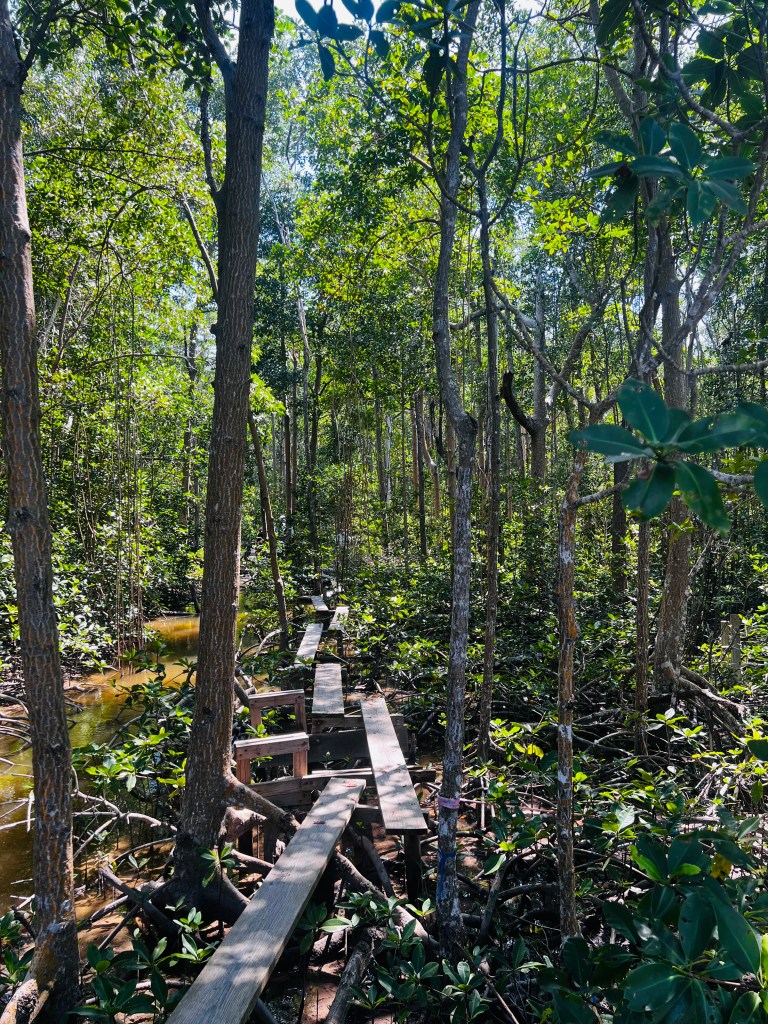
Coastal vegetated ecosystems, such as mangrove forests, salt marshes, and seagrass meadows store large amounts of carbon within their soils. This long-term storage of carbon has been referred to as blue carbon and has been increasingly recognized as a potential method for natural carbon capture. However, increased threats to coastal ecosystems from a combination of human activity and climate change are significantly impacting this carbon storage and the movement of carbon between wetland carbon reservoirs (soils, biomass, dissolved and particulate aquatic carbon, greenhouse gases). The Vaughn Biogeochemistry research lab looks into how carbon is moved through these carbon reservoirs and to better understand variability of blue carbon with varying climates and geologies.
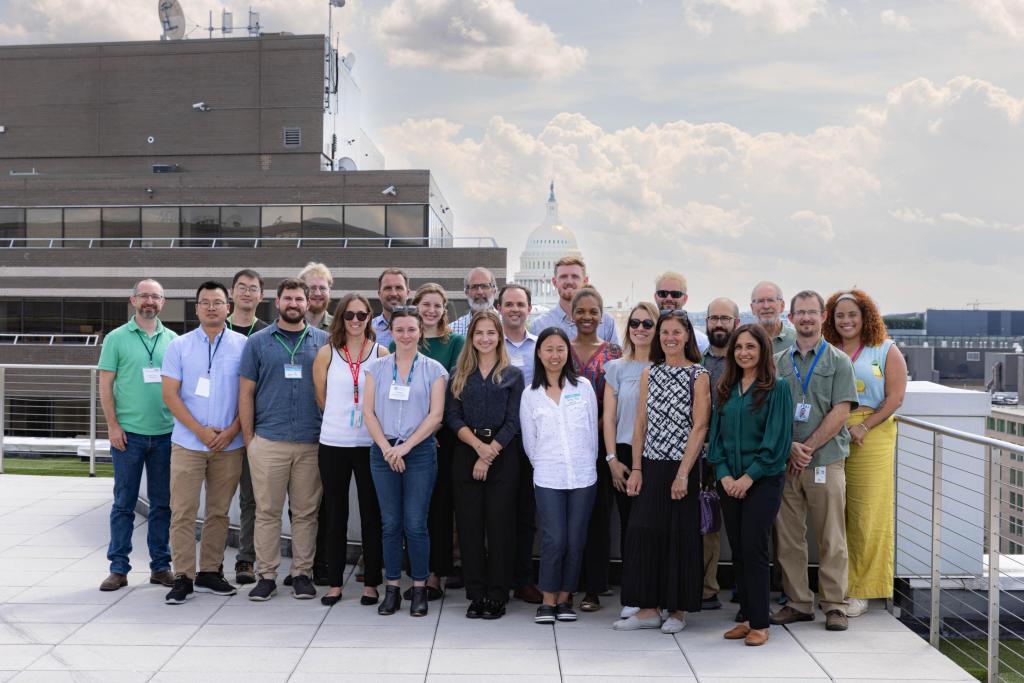
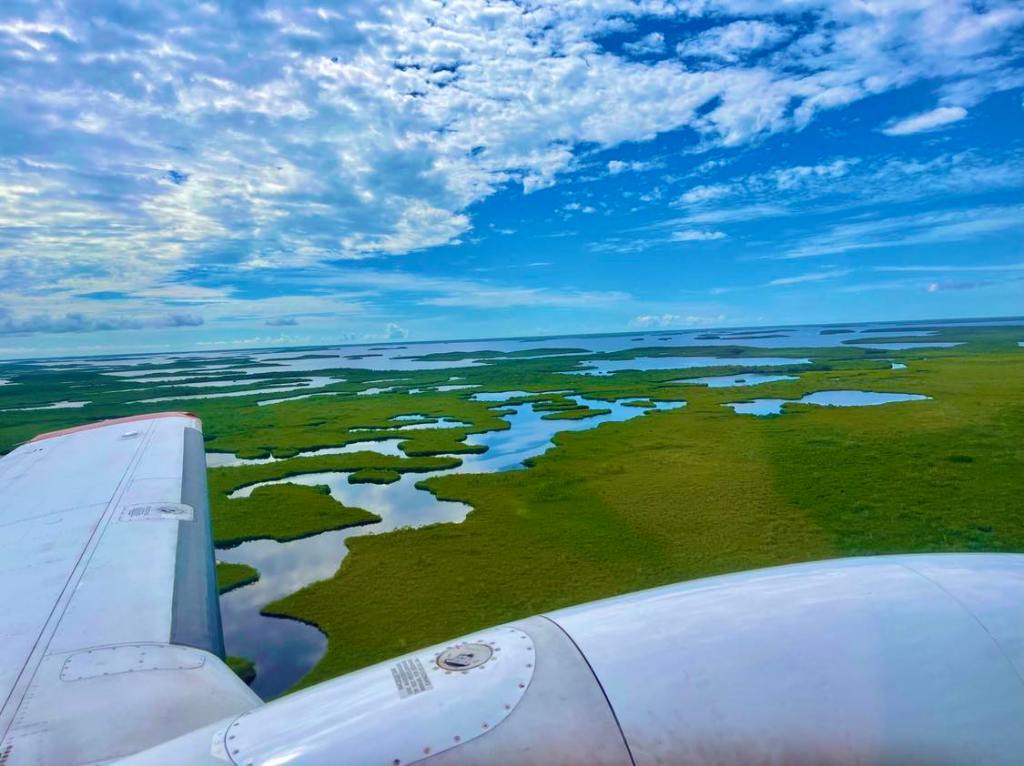
BLUEFLUX – A NASA funded project looking at greenhouse gas (GHG; CO2, CH4) fluxes from the Florida Everglades. As part of the ground-based team, we measure GHG and dissolved carbon fluxes from tidal rivers draining the mangroves in the Everglades. The benefit of this research is that this is one of only a few studies that examines CO2 and CH4 flux variability in mangrove ecosystems. There are also big implications on how mangrove restoration may impact these emissions and the overall carbon cycling along our coasts.
 Vaughn Biogeochemistry Lab