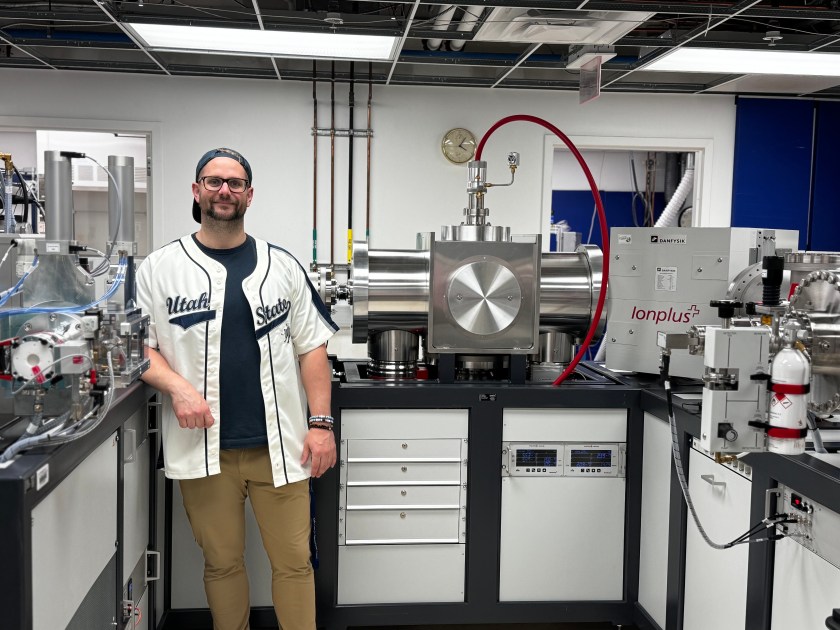
The Blue Carbon Timescale Network formed in January 2023 following the setup of the Mini Carbon Dating System (MICADAS) in the Yale Analytical and Stable Isotope Center (YASIC) lab. The goal of the network is to provide free radiocarbon analyses on samples collected from blue carbon ecosystems (i.e. vegetated coastal ecosystems such as mangroves, saltmarshes, and seagrass meadows) so to better understand variability in blue carbon burial globally. Blue carbon ecosystems have recently gained attention for their potential to remove large amounts of carbon from the atmosphere and store this carbon in their soils for centuries to millennia; however, many regions in the world with high blue carbon storage potential are often understudied. One major problem for such work has been from radiocarbon analyses as these analyses are quite expensive and require a lot of preparation time. By alleviating these hindrances, we hope to expand blue carbon research into areas that have been less studied so we can better estimate global blue carbon stocks and understand the timescales involved to bury these large carbon stocks.
Since starting the network, I have worked with over 20 collaborators spanning a variety of ecosystems throughout the world, including coastal ecosystems in Brazil, the United Kingdom, Greece, Italy, the Maldives, and Western and Southern Africa.
For Google Map above – Dark brown corresponds to mangrove sites; brown-green corresponds to a mangrove-marsh ecotone; mid-green corresponds to salt marsh sites; light-green corresponds to seagrass sites
 Vaughn Biogeochemistry Lab